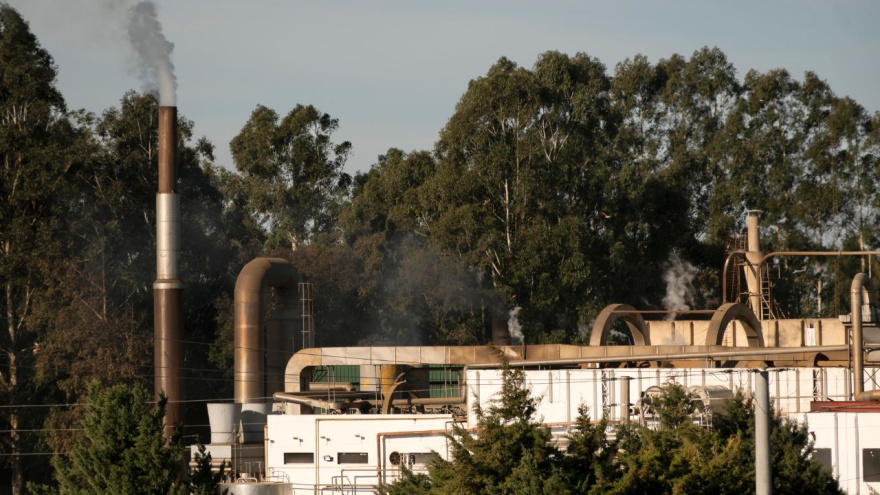

However, the substitution of fossil fuels is not limited to agriculture. Whilst having the benefits of limiting greenhouse gases, even those more potent than carbon dioxide, the process of making biochar has numerous other advantages – namely energy produced by pyrolysis to produce a gaseous mixture called syngas. This then becomes a carbon negative substitution fuel used to power industrial facilities.
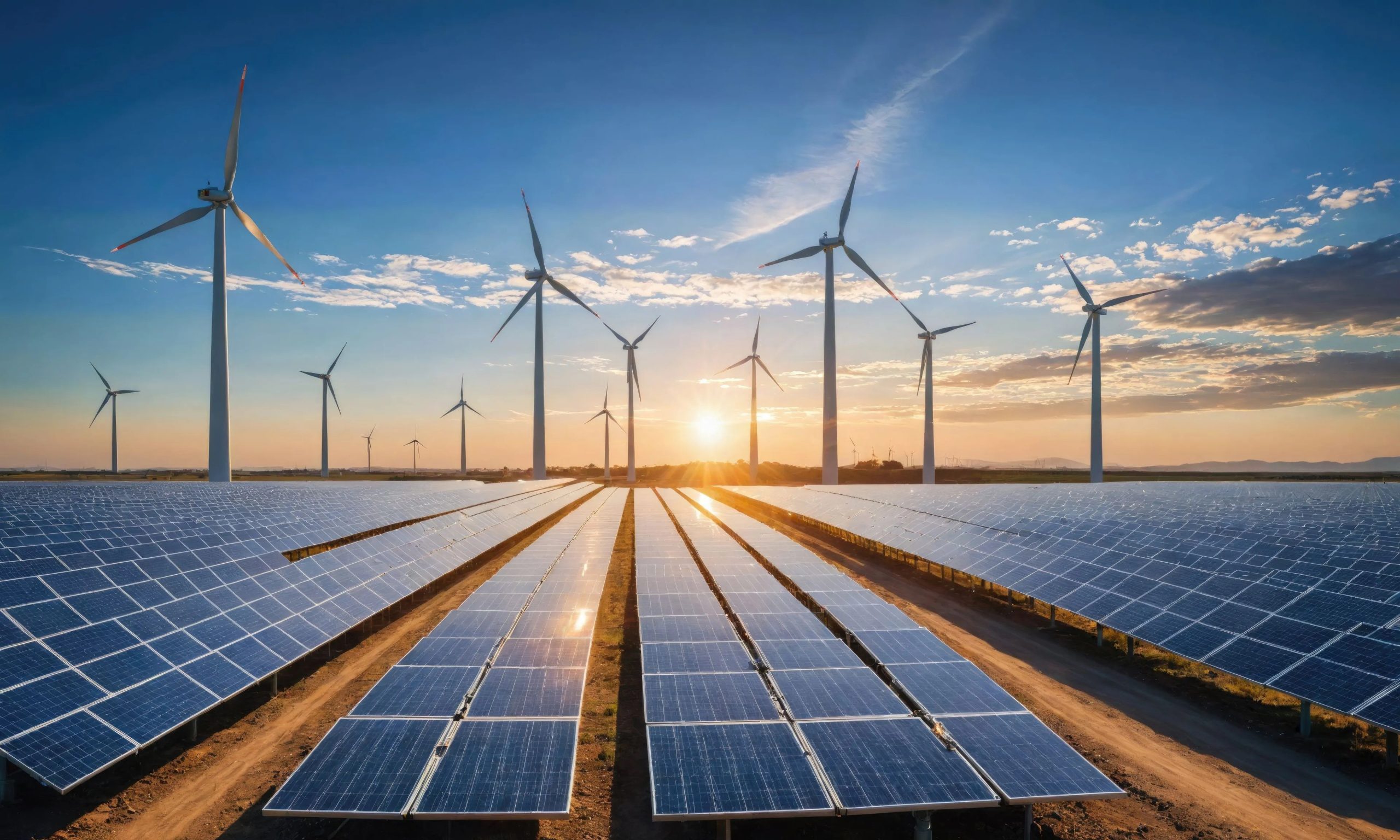
Electricity generation is a significant emitter, responsible also for 29% of emissions globally, largely as consequence that globally a third of all useful energy is produced from fossil fuels. Electrification, whereby we transition from molecules to atoms, is a megatrend which will endure decades. Global energy consumption will triple by 2050, in fact our roadmap to net zero sees useful human energy rising from 80,000 TWH pa to 120,000 TWH pa by 2050, so whilst most efforts are focussed on switching energy sources, the stark reality is that we need much more of all of it and we will be unable to simply substitute the current energy mix.
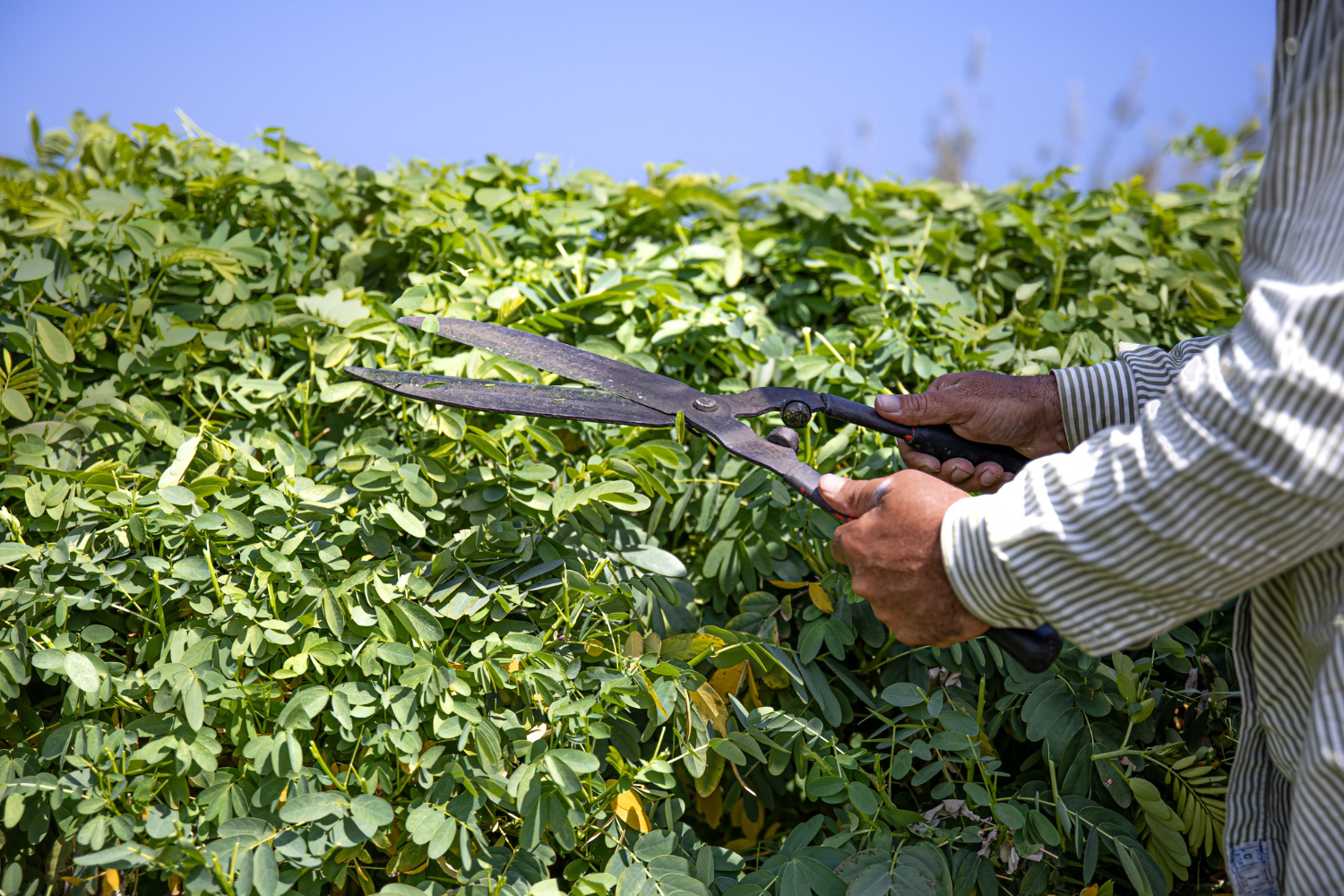
Biochar has the potential to save literally gigatonnes of carbon emissions, yet there are some nuances to the calculus. Simply growing crops such as switchgrass, whose sole remit is to be pyrolysed has consequences, such as the displacement of arable land that would ordinarily be used to grow foodstuffs. Garden waste, corn stover, grass clippings – agricultural wastes more generally – including timber offcuts, are the feedstock of choice, not to mention a valuable source of income for emerging market farmers in selling their waste.
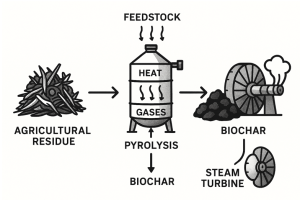
Perhaps even more importantly, many agrarian economies still burn wood, worse still dung indoors. The soot then released into the atmosphere, by its nature, absorbs heat and kills up to 1.6mn people per year from inhaling it. Biochar by contrast locks in that carbon in the pyrolysis process. There is an attractive symmetry in the very substance that was displaced by coal all those years ago, may yet play a pivotal role in cleaning up what came thereafter.
Working with blue chip offtakers, keen to replace coal burned to drive steam boiler, yet without the energy penalties, we have developed an end to end supply chain which produces an energy dense bio-coal with up to 70% emissions savings compared to the status quo. In the race to net zero, biochar is not just a niche product—it’s a strategic asset.