
The electricity grid is no longer merely a conduit. It is becoming a factory. Power-to-X (P2X) technologies, which convert surplus renewable electricity into hydrogen, synthetic fuels, and chemicals, promise to turn intermittent wind and solar into storable, transportable commodities. For investors, the proposition is at once green and potentially lucrative.
WHAT IS POWER-TO-X?
At its core, P2X relies on electrolysis: water is split into hydrogen and oxygen using renewable electricity. Hydrogen can be burned, fed into industrial processes, or transformed into ammonia, methanol, or synthetic natural gas.
The advantage is twofold: electrons that would otherwise be curtailed are captured as molecules, and sectors resistant to direct electrification—from steelmaking to shipping—can decarbonise.
“Without P2X, we’re leaving a huge slice of emissions on the table,” says Clara Meier, head of hydrogen strategy at a European energy consultancy.
WHO WANTS IT?
Offtakers are mostly industrial. Steelmakers and chemical plants see hydrogen as a fossil-fuel substitute. Airlines and shipping companies are experimenting with synthetic fuels. Each sector faces regulatory pressure to decarbonise; P2X is both a hedge and a necessity.
GLOBAL SHOWCASE PROJECTS
Several pioneering projects illustrate the scale of ambition:
- Germany: REFHYNE at the Shell Rhineland refinery aims for 10,000 tonnes of green hydrogen annually.
- Norway: HyNor is a network of hydrogen fuelling stations along transport corridors.
- Australia: The Asian Renewable Energy Hub plans 26 GW of wind and solar to produce hydrogen for export.
These projects demonstrate not only technological feasibility but also the potential for industrial-scale deployment.
INCENTIVES AND OPPORTUNITY
The global P2X market could reach $10.7 billion by 2030, supported by government incentives. The EU’s Green Deal and the U.S. Inflation Reduction Act subsidise production and infrastructure. In Australia, federal and state-level tax incentives, including the Hydrogen Production Tax Incentive, aim to stimulate local investment.
Queensland is particularly promising. Gladstone and Townsville are developing hydrogen hubs, while transmission upgrades such as CopperString 2032 will channel renewable electricity to industrial centres.
“Queensland has the resource endowment; the challenge is turning policy and transmission into bankable projects,” notes Liam Kerr, CEO of a Brisbane-based P2X developer.
ECONOMICS AND REWARDS
Investors see several attractions: long-term contracts with industrial offtakers, diversified revenue streams, and exposure to rising carbon prices. Challenges remain: capital costs are high, technologies are evolving, and permitting is complex. Strategic integration of generation, storage, and conversion is critical to success.
COMPETITION
The sector is crowded. Major energy players—Shell, Siemens Energy, thyssenkrupp—are investing heavily. Specialists like ITM Power and Nel ASA focus on electrolysers. Collaboration and consortiums are emerging to navigate the capital-intensive, technically complex landscape.
WHY P2X ENHANCES RENEWABLES
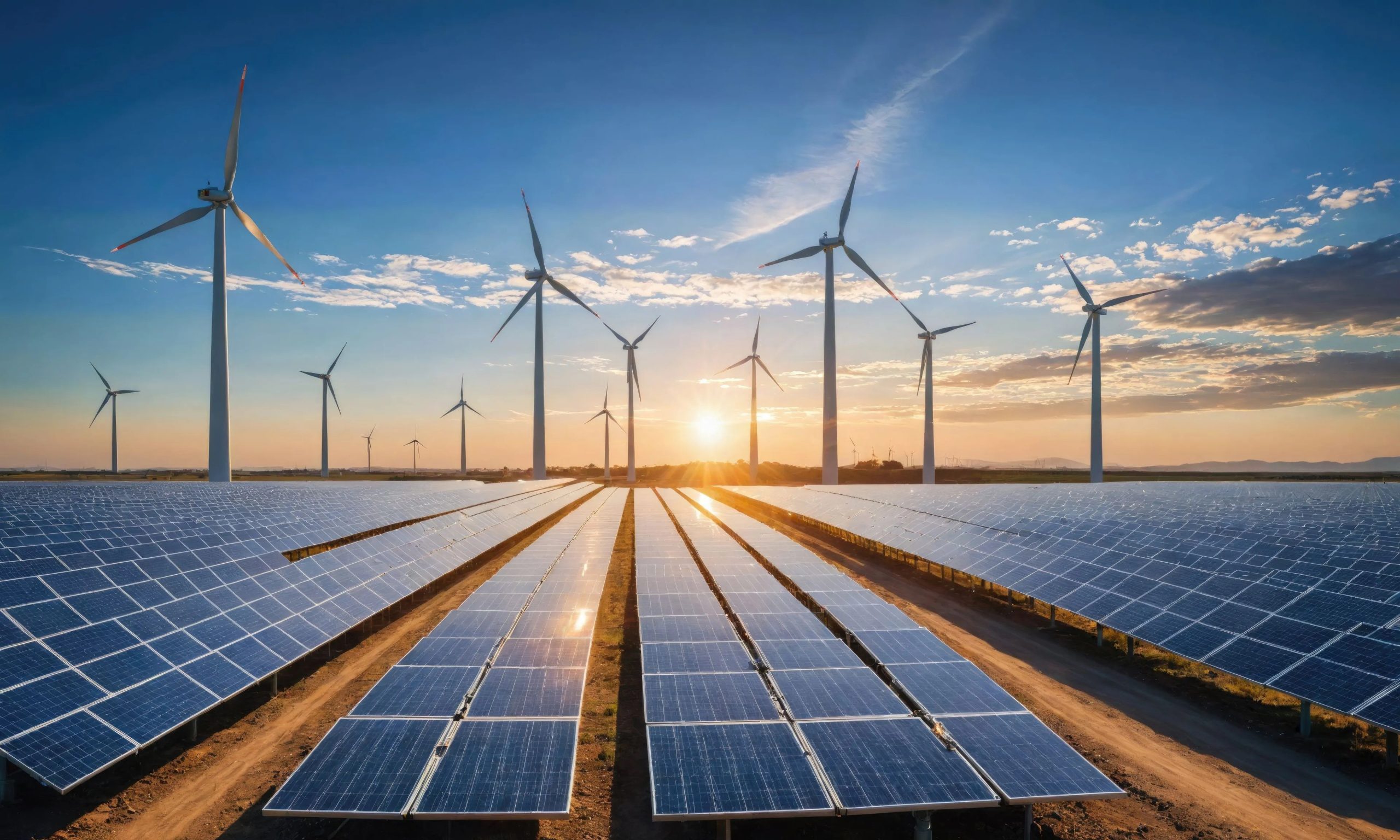
For owners of wind and solar platforms, integrating P2X can be transformative. Instead of selling volatile electrons into the grid, they can produce higher-value molecules, stabilise revenues, and provide grid support.
“It’s like turning a commodity into a branded product—electricity becomes hydrogen, which becomes a fuel that airlines actually need,” says a European investor.
Electrons are no longer just electrons. In regions with abundant renewable resources, supportive policies, and industrial demand, P2X offers not only a green imperative but a compelling business case. For renewable developers, coupling wind and solar with P2X may be the difference between generating electricity and generating value. Navigate’s 14 GW Queensland platform seeks to do just that. Strategically located sites provide the opportunity to deliver decarbonisation solutions at scale to industrial and digital end users.