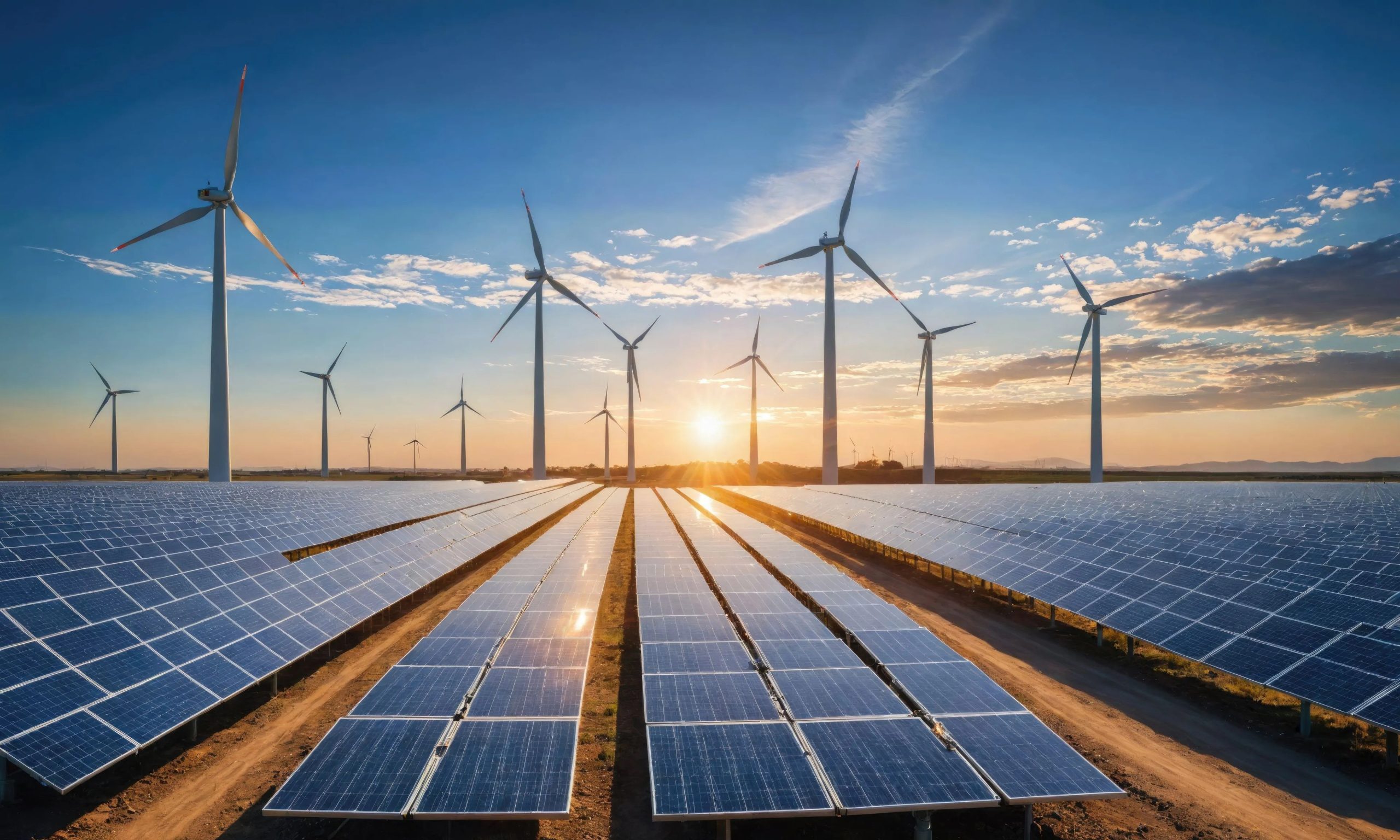


Solar panels have been a rare success story in the energy transition. Costs have plummeted, deployments continue to surprise on the upside, and semiconductor-based PV technology still harbours scope for further innovation. Yet beneath the shine of clean energy lurks a mounting problem: what happens when these panels reach the end of their useful life?
FROM SUNSHINE TO SCRAPYARD
The International Renewable Energy Agency (IRENA) forecasts that by 2050, the world will be discarding 60–78 million tonnes of solar panels. Early adopters—China, the EU, and the United States—will bear the heaviest burden, as panel lifecycles converge and cheap replacements accelerate turnover. Even Australia is feeling the strain: Queensland alone retires roughly 1.2 million panels each year. Local recyclers, processing tens of thousands annually, address only a fraction of the flow.
“The industry has been brilliant at installing panels, far less brilliant at thinking about what happens when they stop working,” admits Liam Kerr, CEO of a Brisbane-based P2X developer.
SEMICONDUCTORS: THE SECRET SAUCE
At heart, solar panels are semiconductors masquerading as roof tiles. The same physics that has driven Moore’s Law for decades underpins the continuing efficiency gains in photovoltaic cells. Advances in silicon wafer purity, thin-film deposition, and multi-junction architectures have steadily pushed costs down while squeezing more watts from each square metre of sunlight. Each incremental improvement compounds across millions of panels, delivering not just cheaper electricity but also a technology platform that remains open to further innovation. It is this semiconductor DNA that has allowed solar to surprise on the upside time and again—and that will continue to underpin the economics of both new deployment and the recycling of end-of-life panels.
RECYCLING, OR LACK THEREOF
Most current recycling has been a rather modest affair, focusing on glass and aluminium, the easiest components to reclaim. Valuable elements—silver, copper, high-purity silicon, and even rare metals such as gallium and indium—often remain trapped in landfill, unextracted. Companies such as Solarcycle in the U.S. and Solar Applied Materials Technology Corp in Taiwan are among the few tackling these trickier recoveries, pioneering “urban mining” approaches to reclaim high-value materials.
Costs remain significant. Collection and transport can run $50–$150 per tonne, mechanical recycling around $500–$1,000 per tonne, with advanced recovery techniques pushing higher but yielding far more valuable metals. The potential revenue per tonne is substantial: aluminium and glass contribute a modest return, but silver, copper, and silicon—just 4% of a panel’s mass—can represent over half its total value. Efficient extraction could dramatically improve the economics of recycling.
AFRICA: MICROGRIDS MEET MACRO-WASTE
Africa’s rapid adoption of off-grid solar systems has electrified millions, but the continent risks becoming an afterthought in end-of-life management. Tanzania, for example, is accumulating discarded panels faster than infrastructure can cope. Yet opportunity lurks in this challenge. The country could become a regional hub for collection and recycling, linking burgeoning microgrid networks with circular economy initiatives.
“We could turn a headache into a business model,” says Clara Meier, head of hydrogen strategy at a European energy consultancy. “Tanzania has the right combination of solar growth, regional reach, and skilled labour to become a centre for PV recycling.”
DOLLARS AND SENSE
The economics of solar recycling are beginning to crystallise. Mechanical recycling remains costly, but advanced recovery of metals can yield substantial returns. The global recycling market is projected to reach $1.7–$2.4 billion by 2032, driven by regulatory pressures and the scarcity of critical materials. Investors can capture value while reducing dependence on mined resources, contributing to a circular carbon economy.
Beyond profits, recycling creates jobs: logistics, facility management, and processing roles multiply as plants scale. Solarcycle’s planned Georgia facility alone expects to create 600 positions, illustrating how environmental stewardship can dovetail with economic growth.
THE BIGGER PICTURE
Solar panels have excelled as a technology: cheap, scalable, and still capable of further innovation. But their lifecycle now challenges policy, investment, and ingenuity. From recovering high-value materials to creating employment in emerging markets, the e-waste problem presents a complex, yet lucrative, opportunity. For investors willing to navigate the costs, the rewards are not merely financial—they are a stake in the next chapter of a circular, low-carbon economy. Navigate’s solar recycling plant in Dar Es Salaam, Tanzania is spearheading a clean industrial revolution that will drive sustainable job growth in an industry set fair for exponential growth, just as the sun is setting on many others.